Tarmac driveways have always been a popular choice in the UK because they’re reliable, weather-resistant and far more affordable than block paving or resin. But if you’re planning a new driveway in 2025, you’re probably asking the same question everyone else does: “How much does a tarmac driveway cost?”
The short answer?
Most homeowners pay between £45 and £95 per m², depending on the finish, colour, site condition, and the quality of the groundwork required. But the long answer tells you exactly why the price varies — and how to avoid paying more than you should.
This guide breaks down real UK tarmac driveway prices, cost factors, coloured tarmac costs, sub-base requirements, drainage rules, installer charges and everything else your competitors’ articles missed.
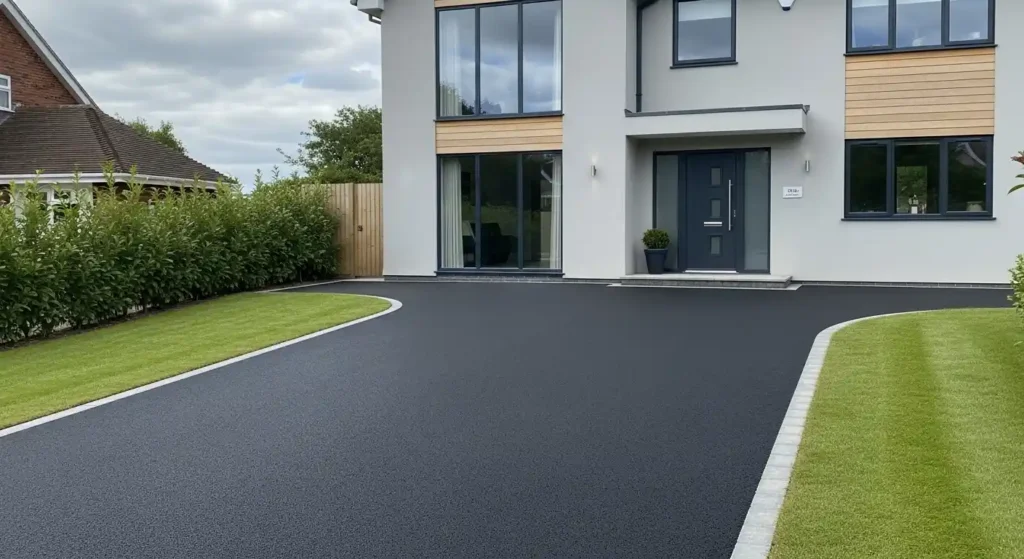
Average Tarmac Driveway Cost in the UK (2025)
Across the UK, standard black tarmac usually costs:
- £45–£75 per m² for a standard domestic driveway
- £60–£95 per m² for coloured or premium tarmac
- £25–£45 per m² if you’re resurfacing over a solid existing drive
These prices include materials, labour and most prep work. However, areas with poor ground conditions or limited access can increase costs.
Get a Clear Tarmac Driveway Quote from Professional Paving Contractors in Essex, Heritage Paving and Landscapes.
Tarmac Driveway Cost by Size (Typical UK Driveways)
Here’s what most homeowners can expect to pay, depending on the size of the driveway:
Small Drive (20–30m²)
£900–£2,200
Ideal for small terraces or short single-car spaces.
Medium Drive (40–60m²)
£1,800–£4,500
Common for semi-detached homes with 1–2 vehicles.
Large Drive (70–120m²)
£3,200–£8,500
Suitable for detached homes, corner plots or properties with more parking needs.
Extra-Large or Commercial
£8,000–£20,000+
Depends heavily on access, edging, drainage and the thickness of the tarmac layers.
Is Coloured Tarmac More Expensive?
Yes — coloured tarmac is usually 15–35% more expensive than standard black tarmac.
Why?
Because coloured tarmac requires higher-quality aggregates, special pigments and a UV-stable binder to keep the colour from fading.
Coloured Tarmac Cost Per m²
- Standard colour (red/green): £60–£95 per m²
- Premium colours: £75–£110 per m²
Coloured tarmac is typically chosen for schools, private estates, modern driveways and areas where kerb appeal is a priority.
What Affects Tarmac Driveway Cost? (Full Breakdown)
Every driveway is different, but the following factors have the biggest influence on price:
1. Size of the Driveway
Larger driveways cost more overall but less per m² due to economies of scale.
2. Existing Ground Condition
Poor ground means more excavation, more hardcore and a deeper sub-base — all adding to cost.
3. Sub-Base Preparation
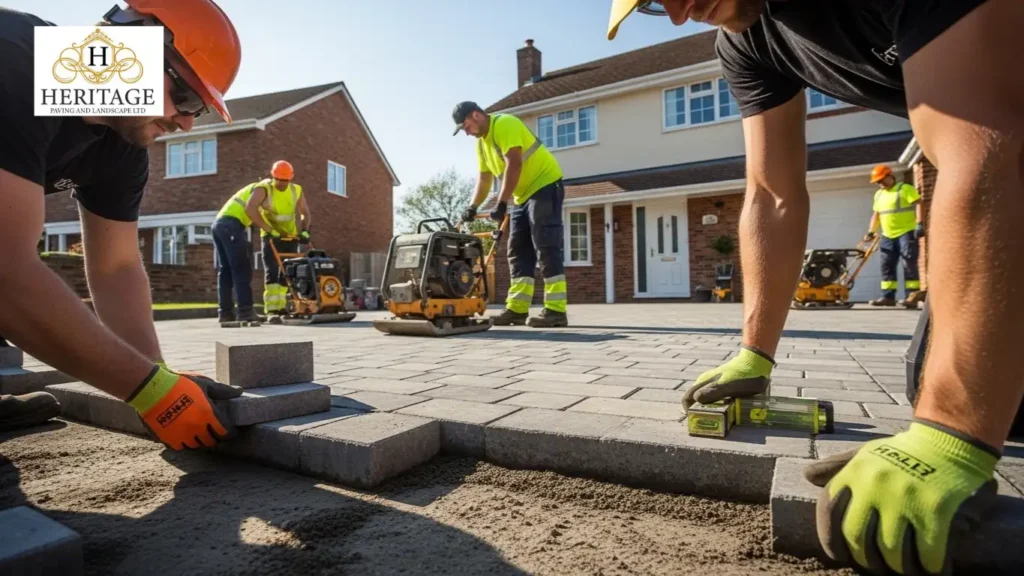
A strong sub-base is the most important part of a tarmac driveway.
Typical costs:
- Type 1 Hardcore: £20–£40 per m²
- Compaction & levelling: included in labour
- Geotextile membrane: £2–£5 per m²
If your old driveway is cracked, sinking or unstable, the installer will need to rebuild the base.
4. Drainage Requirements
Modern UK regulations (SUDS) require proper water management.
Drainage may add:
- £300–£1,500 depending on slope, channels and installation needs
This includes ACO channels, soakaways or re-levelling to ensure water runs correctly.
5. Edging Choices
Edging improves strength and appearance.
Typical edging costs:
- Concrete edging: £15–£30 per linear metre
- Block paving edging: £25–£50 per linear metre
- Kerb stones: £30–£60 per linear metre
6. Type of Tarmac
Standard vs SMA vs coloured — each changes the cost.
7. Labour and Installer Rates
Professional tarmac driveway installer cost varies by region:
- North UK: cheaper
- Midlands: mid-range
- South & London: highest prices
Expect installers to charge between £150–£300 per day per worker.
8. Waste Removal
Skip hire and waste removal usually cost £150–£350, depending on volume.
9. Access for Machinery
If rollers, diggers or lorries can’t access the space easily, labour takes longer → cost increases.
Tarmac Driveway Prices vs Other Driveway Options
Tarmac isn’t the cheapest option, but it offers the best balance between price and durability.
| Driveway Type | Typical Cost per m² |
| Gravel | £20–£40 |
| Tarmac | £45–£75 |
| Coloured Tarmac | £60–£95 |
| Concrete | £65–£120 |
| Block Paving | £70–£130 |
| Resin Bound | £80–£140 |
Tarmac sits comfortably in the middle — affordable yet durable.
How Long Does a Tarmac Driveway Last?
A well-installed tarmac driveway lasts:
- 15–20 years (standard use)
- 20–30 years (with proper maintenance)
Longevity depends on groundwork quality more than the tarmac layer itself.
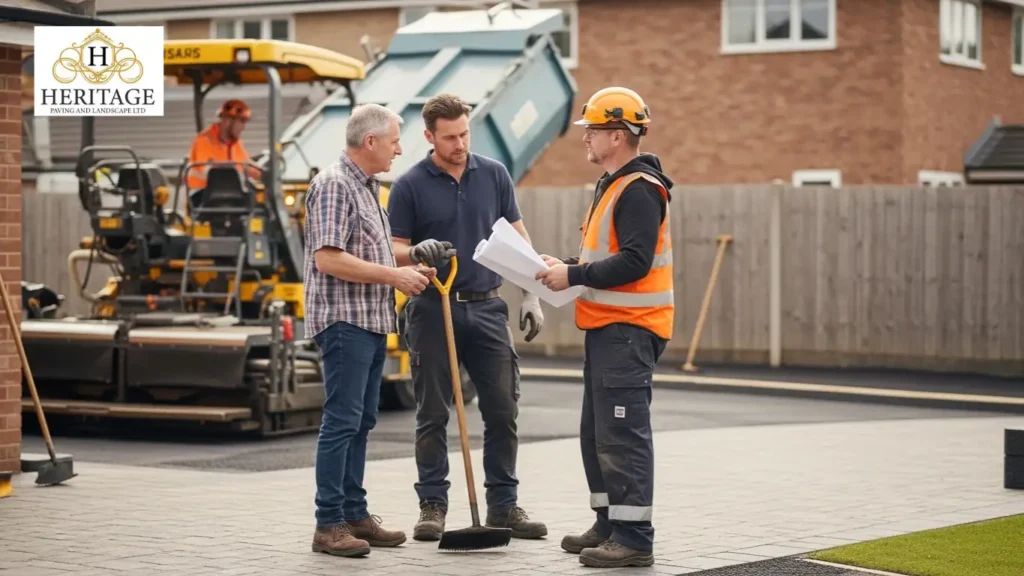
How to Get the Most Accurate Tarmac Driveway Quote
A good installer should provide a clear written quote including:
- Sub-base depth (very important!)
- Type of tarmac being used
- Edging details
- Drainage plan
- Machinery and labour
- Start and finish dates
- Waste removal
- Guarantee and aftercare
Avoid anyone who gives a price without visiting your property.
Final Thoughts
A tarmac driveway is one of the most cost-effective ways to improve your home’s kerb appeal in 2025. With costs starting around £45 per m², it’s a durable, practical and attractive option — especially when installed with a proper sub-base and drainage system.
If you choose the right installer and understand where the costs come from, you’ll get a driveway that lasts decades without cracking, sinking or fading.
Frequently Asked Questions
1. Can I drive on a new tarmac driveway immediately?
It’s best to wait 48–72 hours before driving on a fresh tarmac surface, depending on weather and thickness. Lighter vehicles can sometimes use it sooner, but heavy vehicles should wait at least 3 days.
2. How do I maintain a tarmac driveway?
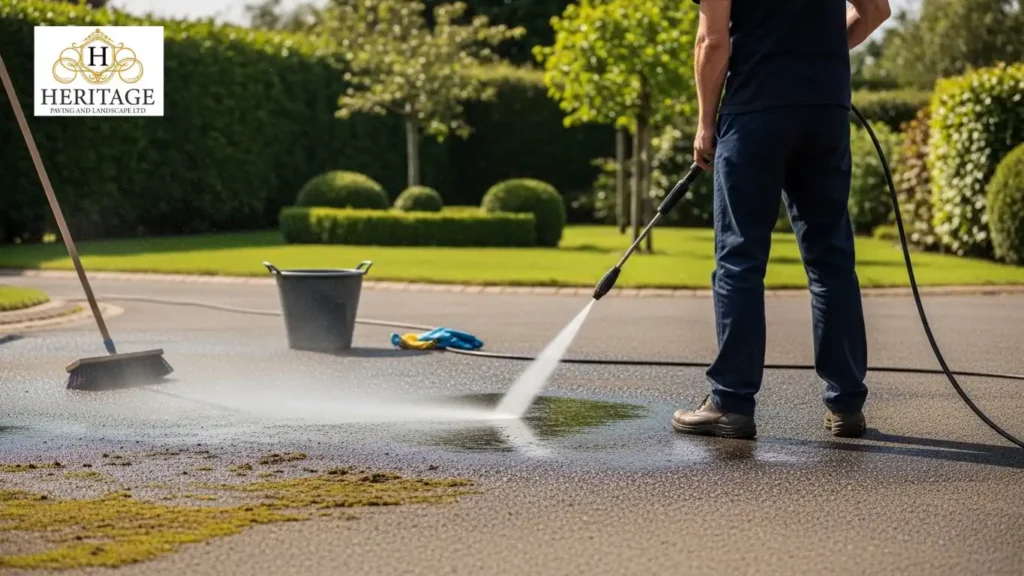
To maintain a tarmac driveway, clear debris and leaves regularly, jet wash it once or twice a year, seal any cracks early to prevent water damage, and consider resurfacing every 10 to 15 years for a fresh look.
3. Are there eco-friendly tarmac options?
Yes, recycled tarmac and permeable tarmac are available. They reduce environmental impact and improve drainage, making them suitable for modern UK regulations.
4. Can coloured tarmac fade over time?
Coloured tarmac can fade if exposed to strong sunlight without UV-stable pigments. Choosing a professional installer and quality materials minimises fading.
5. What is the difference between SMA and standard tarmac?
SMA (Stone Mastic Asphalt) is heavier, more durable, and resistant to rutting. It’s ideal for high-traffic driveways, whereas standard tarmac is cheaper and sufficient for most residential drives.