When designing a garden, one of the key decisions UK gardeners face is choosing between hard and soft landscaping. These two approaches play vital roles in creating the perfect outdoor space. Whether you’re looking to revamp your garden or design it from scratch, understanding the difference between hard and soft landscaping can help you make the right choices.
In this article, as a Paving Contractor in Essex, we’ll explore both sides of hard and soft landscaping, their benefits, and provide practical suggestions for transforming your garden using a combination of both techniques. Let’s dive into what makes each landscaping method unique and how they work together to enhance your outdoor space.
What is Hard Landscaping?
Hard landscaping refers to the solid, non-living elements of a garden, such as patios, walkways, walls, fences, decking, and water features. These features add structure and function to the garden, making it both practical and visually appealing. Well-planned hard landscaping can help define spaces, create zones, and make maintenance easier.
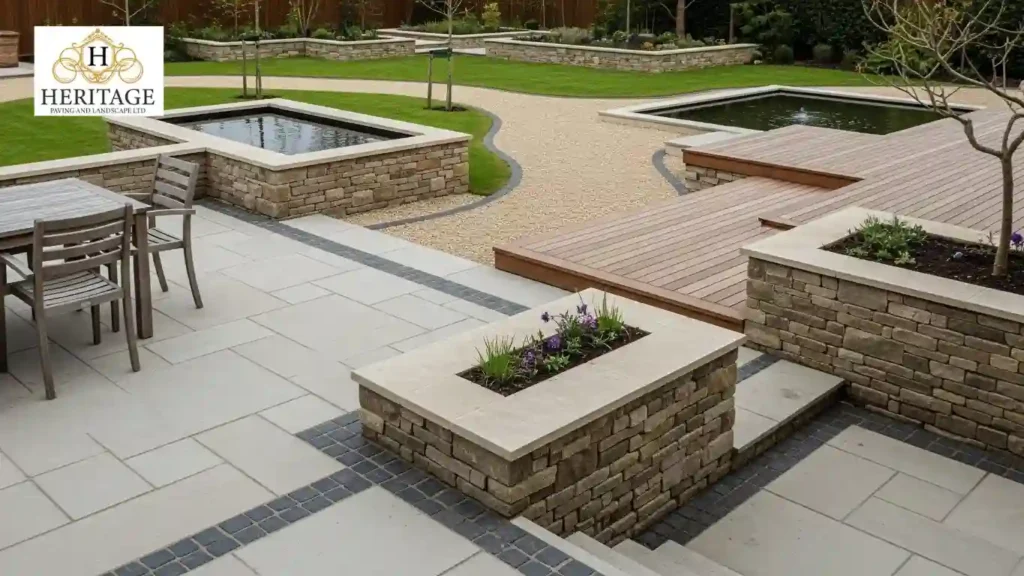
Examples of Hard Landscaping:
- Paved patios: A paved area for sitting or entertaining.
- Stone walls: Raised beds or garden boundaries.
- Wooden decking: A stylish outdoor living space.
- Gravel paths: Low-maintenance, natural-looking pathways.
- Water features: Fountains, ponds, or streams.
When planning hard landscaping, consider the function of each space. Will the patio be for dining, a dry area for kids to play, or a feature like a stone sculpture or fire pit? These questions will guide your design choices.
What is Soft Landscaping?
Soft landscaping refers to the living elements of a garden, such as trees, shrubs, flowers, and grass. It adds colour, texture, and life while softening the space and encouraging wildlife. The right mix of plants can enhance your garden’s beauty, attract beneficial insects, and improve the environment.
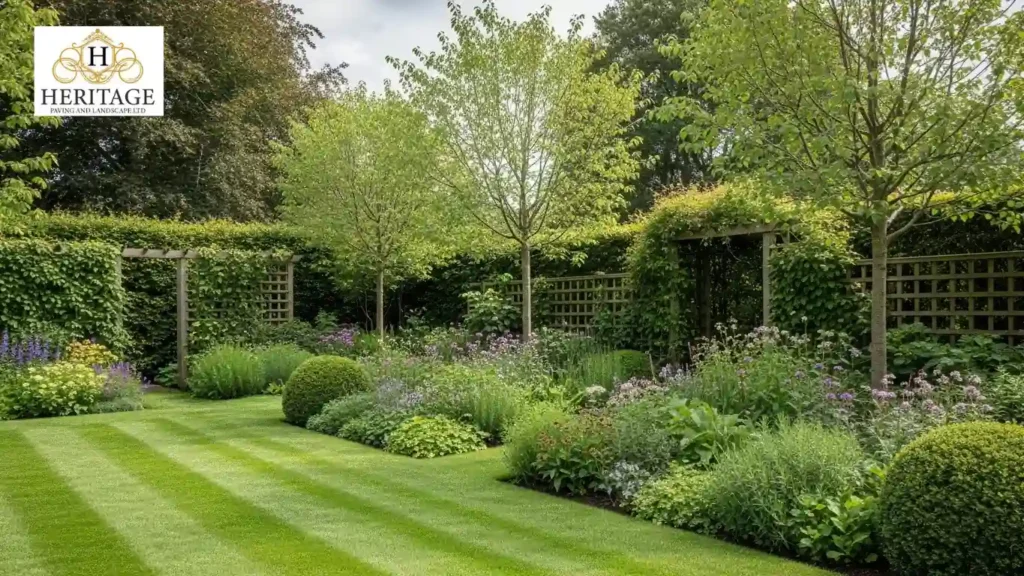
Examples of Soft Landscaping:
- Flower beds: Colourful plants, seasonal flowers, and ground covers.
- Hedges and shrubs: Providing privacy and texture.
- Lawn areas: Green, open spaces for relaxation or play.
- Trees and bushes: Offering shade, fruit, or flowers.
- Climbers and creepers: Growing on trellises or fences.
For soft landscaping, choose plants that bloom year-round to keep your garden vibrant. Many gardeners also incorporate edible plants, such as herbs and vegetables, to create a beautiful and practical garden.
Key Differences Between Hard and Soft Landscaping
The key difference between hard and soft landscaping is that hard landscaping focuses on the structures and materials that shape the garden. In contrast, soft landscaping focuses on the plants and foliage that bring it to life.
Here are the main differences:
Durability
- Hard landscaping materials such as stone, wood, and metal are built to last for years with minimal maintenance.
- Soft landscaping is more seasonal and requires regular upkeep, like pruning, weeding, and replanting.
Function vs Aesthetics
- Hard landscaping often focuses on creating functional spaces, such as patios or walkways.
- Soft landscaping enhances the garden’s beauty, adding colour, texture, and life.
Environmental Impact
- Soft landscaping has a direct impact on the environment. Plants help reduce carbon dioxide, provide oxygen, and offer habitat for wildlife.
- Hard landscaping may not have the same environmental benefits, but it can be designed to be more eco-friendly, such as using permeable paving to prevent water runoff.
How Hard and Soft Landscaping Work Together
Structure vs Life: While hard landscaping provides the structure and functionality of a garden, soft landscaping adds life with vibrant plants and greenery.
Creating Harmony: Both elements should work together to create a well-balanced, aesthetically pleasing garden.
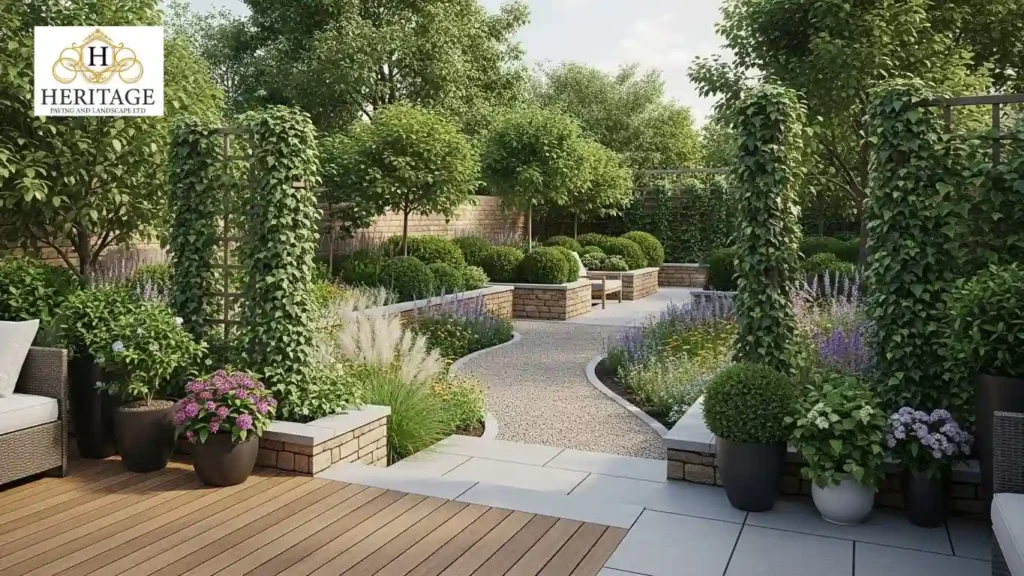
Example 1: A gravel path (hard landscaping) may appear stark, but adding wildflowers (soft landscaping) along the edges softens its look and integrates it into the garden.
Example 2: A wooden deck (hard landscaping) can be enhanced by surrounding it with potted plants, climbing ivy, or flowers (soft landscaping) for a natural touch.
Top Hard Landscaping Ideas
If you’re looking to upgrade your outdoor space with hard landscaping, here are a few ideas that can add style and function to your garden:
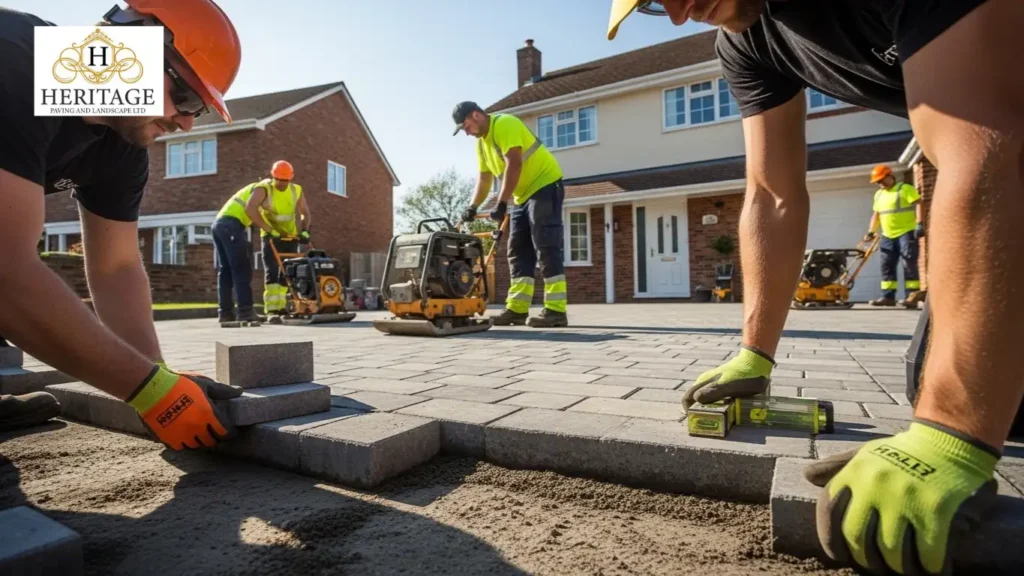
- Patios: Perfect for outdoor dining or simply relaxing. You can choose from materials like natural stone, brick, or concrete slabs, depending on your style.
- Raised beds: Constructing raised beds using timber or stone gives structure to your garden while making it easier to manage plants.
- Pathways: Paved or gravel paths can guide visitors through your garden, making the space feel more organised.
- Retaining walls: Ideal for sloped gardens, complex landscaping elements like retaining walls create levels and can add visual interest.
Top Soft Landscaping Ideas
On the other hand, soft landscaping brings colour, fragrance, and life to your garden. Here are some soft landscaping ideas to consider:
- Flower borders: Fill the edges of your garden with perennials, annuals, or wildflowers that bloom at different times of the year.
- Climbing plants: Add trellises or arches and plant climbing roses or jasmine for a romantic touch.
- Wildlife-friendly garden: Opt for native plants that attract birds, bees, and butterflies, contributing to biodiversity.
Hard and Soft Landscape Planning Tips
Proper planning is essential for creating a garden that thrives. Use these tips to balance hard and soft landscaping effectively:
- Evaluate Your Space: Assess your available space to see what fits best.
- Consider Sunlight & Soil: Take into account sunlight and soil conditions to ensure healthy plant growth.
- Focus on Functional Areas: Decide on the main seating or functional areas first, like patios or dining zones.
- Plan Pathways: Design clear pathways to guide movement through the space.
- Balance with Plants: Place plants around hard landscaping areas to soften the look and create a natural flow.
- Allow for Future Additions: Leave room for future changes or additions to keep the garden flexible.
By merging hard and soft landscaping, you’ll create a garden that’s not only functional and visually stunning but also easy to maintain year-round. For expert guidance, our professional Landscaping Services are here to help design and bring your perfect garden vision to life.
Conclusion
Achieving the perfect balance between hard and soft landscaping is essential for creating a garden that is both functional and visually stunning. While hard landscaping offers structure and longevity, soft landscaping brings life, colour, and vibrancy. Together, they transform your outdoor space into a beautiful, easy-to-maintain haven.
If you’re looking for a trusted Paving and Landscaping Contractor across Essex, our expertise can help turn your garden dreams into reality.
FAQs
What are examples of hard landscaping features?
Typical hard landscaping features include paved patios, decking, gravel paths, stone walls, driveways, fencing, and year-round water features.
What are common soft landscaping elements?
Soft landscaping includes lawns, flower beds, shrubs, hedges, trees, climbers, and other plants that grow and change with the seasons.
Is hard landscaping more expensive than soft landscaping?
Generally, hard landscaping costs more upfront due to materials and installation. Soft landscaping can be cheaper at first, but it requires ongoing care, such as watering, pruning, and replanting.
How much maintenance does hard landscaping need?
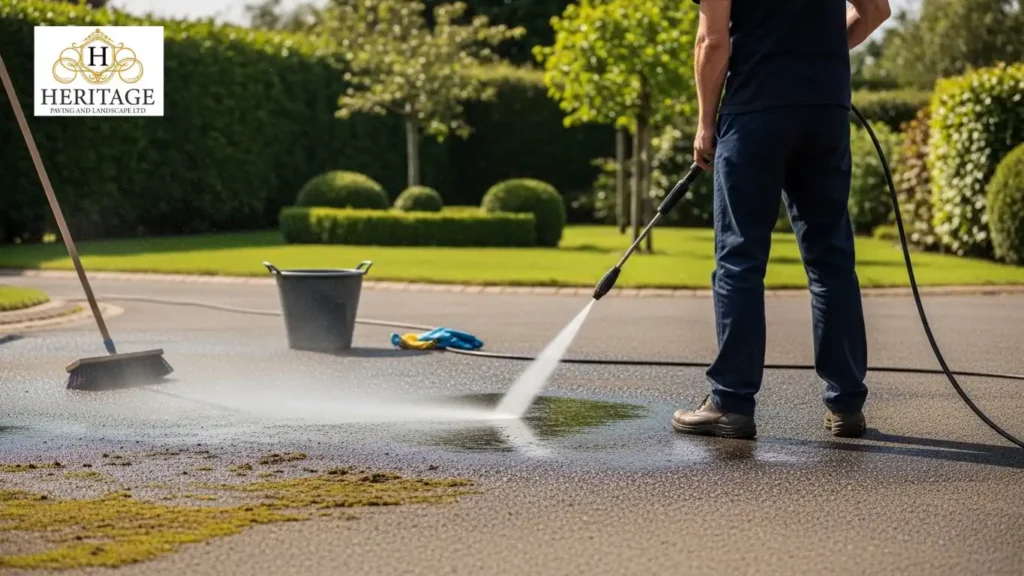
Hard landscaping typically requires low maintenance. Occasional cleaning or minor repairs are usually all that’s needed to keep hard elements looking good.
What plants work best for soft landscaping in UK gardens?
Plants that cope well with the UK climate include hardy perennials, native shrubs, evergreen hedges, seasonal flowers, and climbers such as roses or clematis that tolerate changeable weather.