Choosing the right driveway surface is a big decision for any homeowner. Your driveway is the first thing people see when they visit your home, and it also needs to be strong enough to handle daily use. Many people get stuck when deciding between tarmac or block paving, because both options have their own strong points.
As professional paving and landscaping contractors, we’re sharing our experience to help you understand these two surfaces in a clear and easy way, so you can choose the option that fits your home best.
What Is a Tarmac Driveway?
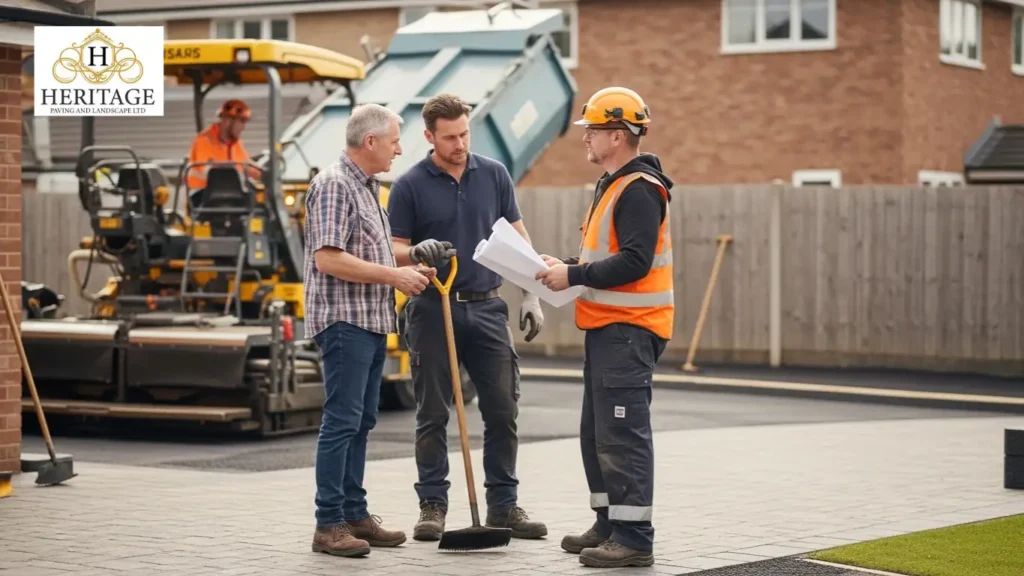
Tarmac is a smooth, black surface made by mixing crushed stone with tar. It has been used across the UK for many years on roads, paths, and home driveways. People like it because it gives a neat, even finish without loose stones or complicated designs.
Another reason tarmac works well is its flexibility. It can handle small ground movements without cracking too quickly, which is helpful for busy homes or driveways with heavier vehicles.
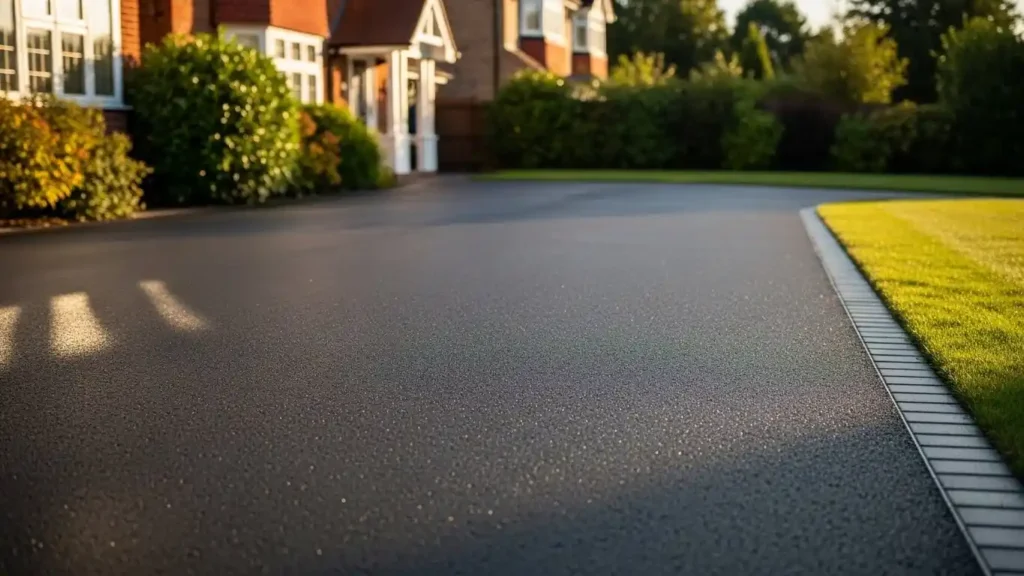
Tarmac is also sometimes paired with block paving, where the main area is tarmac, and the edges are finished with block borders. This gives the driveway a simple but tidy look.
Transform your outdoor space with expert Tarmac driveways services.
What Is Block Paving?
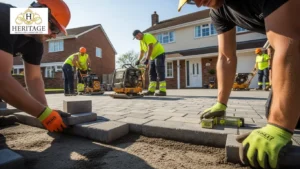
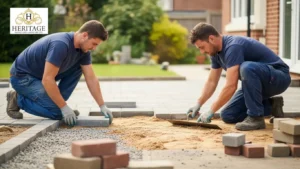
Block paving is made from small blocks that fit together like a puzzle. These blocks can be arranged in straight lines, angled patterns, or decorative layouts, giving you far more control over the final look. You can choose from different colours, shapes, and sizes, which makes it popular for both modern and traditional homes.
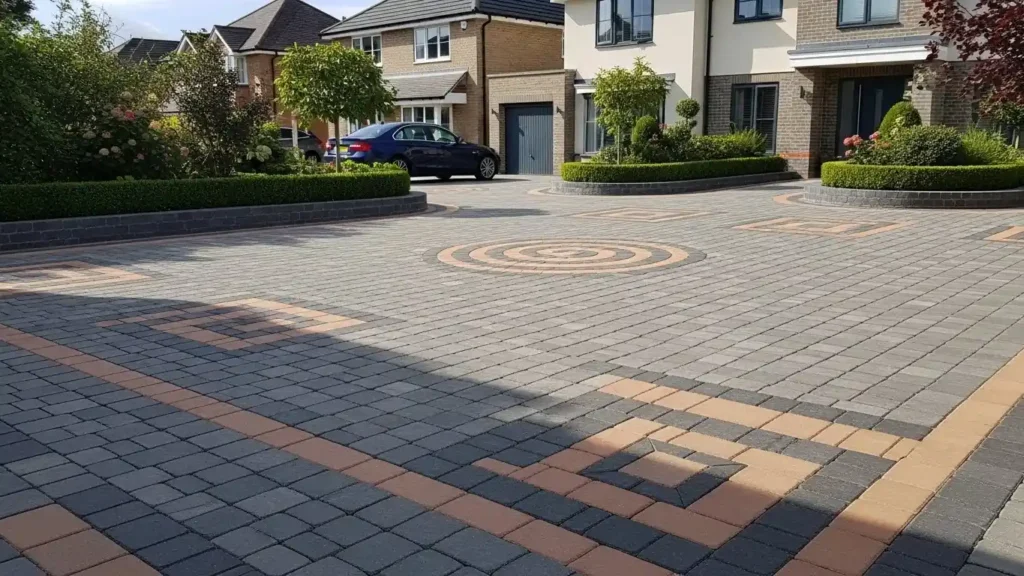
A big advantage of block paving is easy repairs. If a part of the driveway sinks or a block gets damaged, you can lift the blocks in that area, fix the base, and place them back without touching the rest of the driveway. This makes maintenance much easier in the long run.
Get professional Block Paving installation services for your driveway.
Appearance and Style
Tarmac has a simple and clean appearance. It’s ideal for people who like a smooth, uniform look without lots of design. It blends well with modern homes where clean lines and minimal styles are preferred.
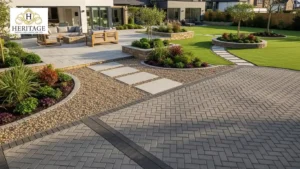
Block paving gives you much more choice in terms of design. You can match the colours to your home, add contrasting borders, or create patterns that stand out. Because of this flexibility, block paving can boost kerb appeal and make the entrance of your home feel more inviting.
If your home is older or more traditional, block paving often complements it better. For newer homes, tarmac’s simplicity sometimes feels more suitable.
Durability and Strength
Tarmac
Tarmac handles daily use very well. It deals with temperature changes, regular traffic, and heavy cars without much trouble. Over time, it may develop small cracks or start to fade, especially in very hot or cold weather, but these issues are usually easy to fix with a fresh layer or patch.
Block Paving
Block paving is extremely strong because the blocks work together to spread weight across the entire surface. This makes it ideal for homes with multiple cars. And if one area becomes damaged, you only need to repair that small part. This is one reason why many homeowners choose tarmac and block paved drives — the combination brings together strength and style.
Maintenance and Upkeep
Tarmac Maintenance
Tarmac is low-maintenance. It doesn’t need much cleaning, and it stops weeds from growing through the surface. Over time, the colour may fade to a lighter grey, and you might see cracks in older driveways. These can be repaired with a simple top layer or patch.
Block Paving Maintenance
Block paving needs more attention. Weeds can grow between the blocks, and rainwater can wash away the jointing sand. If the ground wasn’t prepared well, the blocks may sink in some areas. Stains from oil or cars are also more noticeable on block paving. But the advantage is that repairs are easy. You can lift blocks, reset the ground, and place them back without needing to redo the whole driveway.
Drainage and Water Control
Drainage is important, especially in the UK, where we get steady rainfall.
How Tarmac Handles Water
Traditional tarmac doesn’t let water pass through it, so it needs a proper drainage system on the sides. Without this, water can pool on the surface or flow toward the house. Modern porous tarmac options exist, but they aren’t used as often.
How Block Paving Handles Water
Block paving offers better water control, especially when permeable blocks are used. Water can pass through the joints and soak into the ground. This reduces the chance of surface water and helps manage heavy rain much better.
Installation Time and Process
Both surfaces have different installation steps.
Tarmac Installation
Tarmac is usually quicker to install. Once the base is prepared, the tarmac is poured, spread, and rolled. It sets quickly, and you can normally use it within a short time. If you need a driveway ready fast, many people prefer this when choosing between tarmac or block paving driveways.
Block Paving Installation
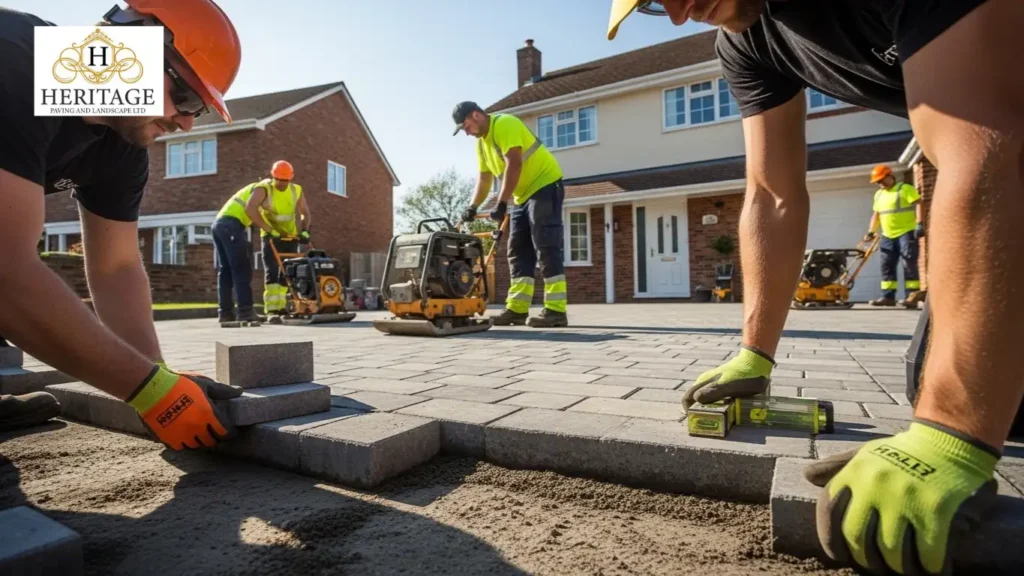
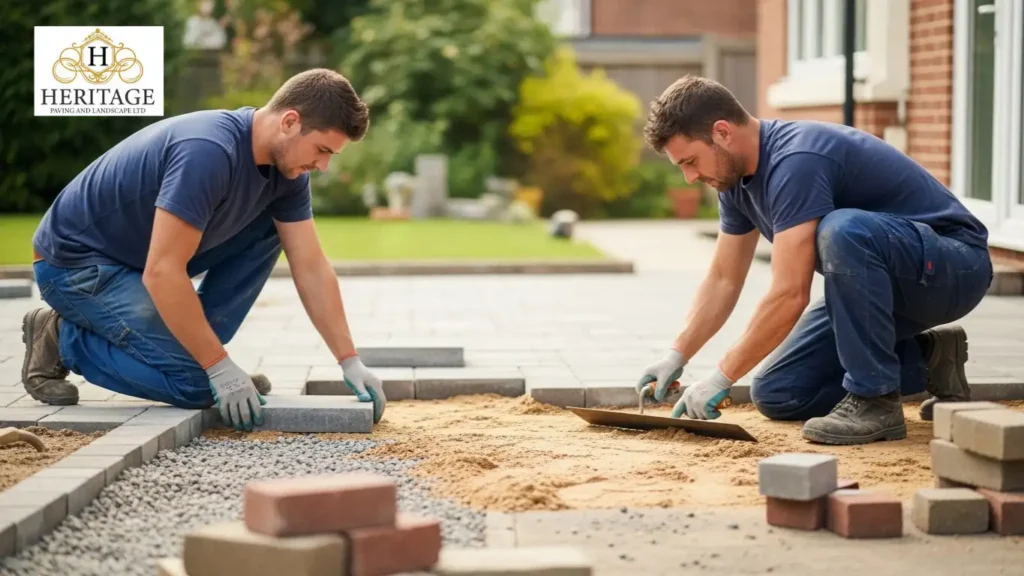
Block paving takes longer because each block is placed by hand. The base must be prepared very well to stop sinking. After the blocks are laid, kiln-dried sand is brushed into the gaps. It takes more time and effort, but the final result often looks more premium.
Common Problems Homeowners Face
No driveway surface is perfect, so here are the main issues people face:
Tarmac Problems
- Cracking in hot or cold weather
- Fading colour over time
- Soft spots during heatwaves
- Damage from oil spills
Block Paving Problems
- Weeds growing between blocks
- Blocks are sinking or moving if the base was not prepared well
- Moss buildup in damp areas
- Stains from cars or spills
Which One Is Better for Your Home?
There is no single right answer. It depends on what you need most.
Choose tarmac if:
- You want something fast and simple
- You prefer a smooth, clean look
- You want a surface that handles heavy cars well
- You don’t want to deal with weeds
Choose block paving if:
- You want your driveway to look stylish or decorative
- You want more colour and pattern choices
- You prefer easy repairs over time
- You want better drainage options
Both tarmac and block paving have their own advantages. Tarmac is simple and easy to look after, while block paving lets you add patterns and colours for a nicer look. Some people even use both, with tarmac in the middle and blocks around the edges. This way, the driveway stays strong but also looks more attractive.
Still not sure whether tarmac or block paving is right for your home? Our local Paving & Landscaping Company Essex can guide you through the options and provide professional installation of both tarmac and block paving driveways.
Get in touch today for a personalised quote and create a driveway that looks great and lasts for years.
Conclusion
Both tarmac and block paving can create a strong, reliable driveway. Tarmac is simple, fast to install, and low maintenance. Block paving offers more design choices, long-term durability, and easy fixes. When choosing between different driveway surfaces, think about the look you want, how much care you’re happy to give, and how you use the space every day.
A well-planned driveway not only makes life easier but also improves the overall look of your home for years to come.
If you’re curious about other options beyond tarmac and block paving, check out our guide on Different Types of Driveways: A Complete Guide for UK Homes to explore more styles and materials.
FAQs – Tarmac vs Block Paving
Are there eco-friendly driveway options?
Yes. Permeable block paving and porous tarmac allow rainwater to soak through the surface, reducing runoff and helping with sustainable drainage solutions.
Can I mix tarmac and block paving in one driveway?
Yes, many homeowners combine the two. Tarmac is often used in the centre for a smooth, durable surface, while block paving is used around the edges for style and decorative appeal.
How long does a tarmac driveway last?
A well-installed tarmac driveway can last 15 to 25 years, depending on traffic, weather, and maintenance. Regular sealing and fixing small cracks can help it last longer.
How long does block paving last?
Block paving can last 25 to 40 years if laid correctly on a solid base and maintained well. Individual blocks can be replaced if damaged, which helps the driveway stay in good condition for decades.
Do tarmac and block paving driveways need sealing?
Tarmac benefits from periodic sealing to protect against cracks and fading. Block paving can be sealed to prevent weeds, moss, and stains, but sealing is optional depending on the driveway type.